 Dental implants
 All-on-4 and All-on-6
 Zirconium crowns
 Porcelain veneers
 Hollywood smile
 Composite bonding
 Teeth whitening
The short answer
An implant that has bonded with the bone can be used for many years, often for life. Its life is decided by oral hygiene, smoking, teeth grinding, control of diabetes and regular check-ups. The permanent tooth on top of the implant can wear over time and may need to be renewed.
Five things that decide the life of an implant
- Oral hygiene. An implant does not decay, but the gum and bone around it can become inflamed. Brushing twice a day and using floss and an interdental brush reduce this risk.
- Smoking. Smoking makes it harder for the implant to bond with the bone and, over the years, raises the risk of bone loss around the implant.
- Teeth grinding. Clenching and grinding put too much load on the implant and on the tooth on top of it. Patients who grind their teeth are advised to wear a night guard.
- Control of diabetes. Patients whose blood sugar is under control can have implants. With uncontrolled diabetes, healing is slower and the risk of infection is higher.
- Regular check-ups. After your permanent tooth is fitted, a check-up at least once a year is recommended. The gum and bone around the implant are assessed at the check-up.
The implant and the tooth on top are not the same thing
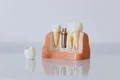
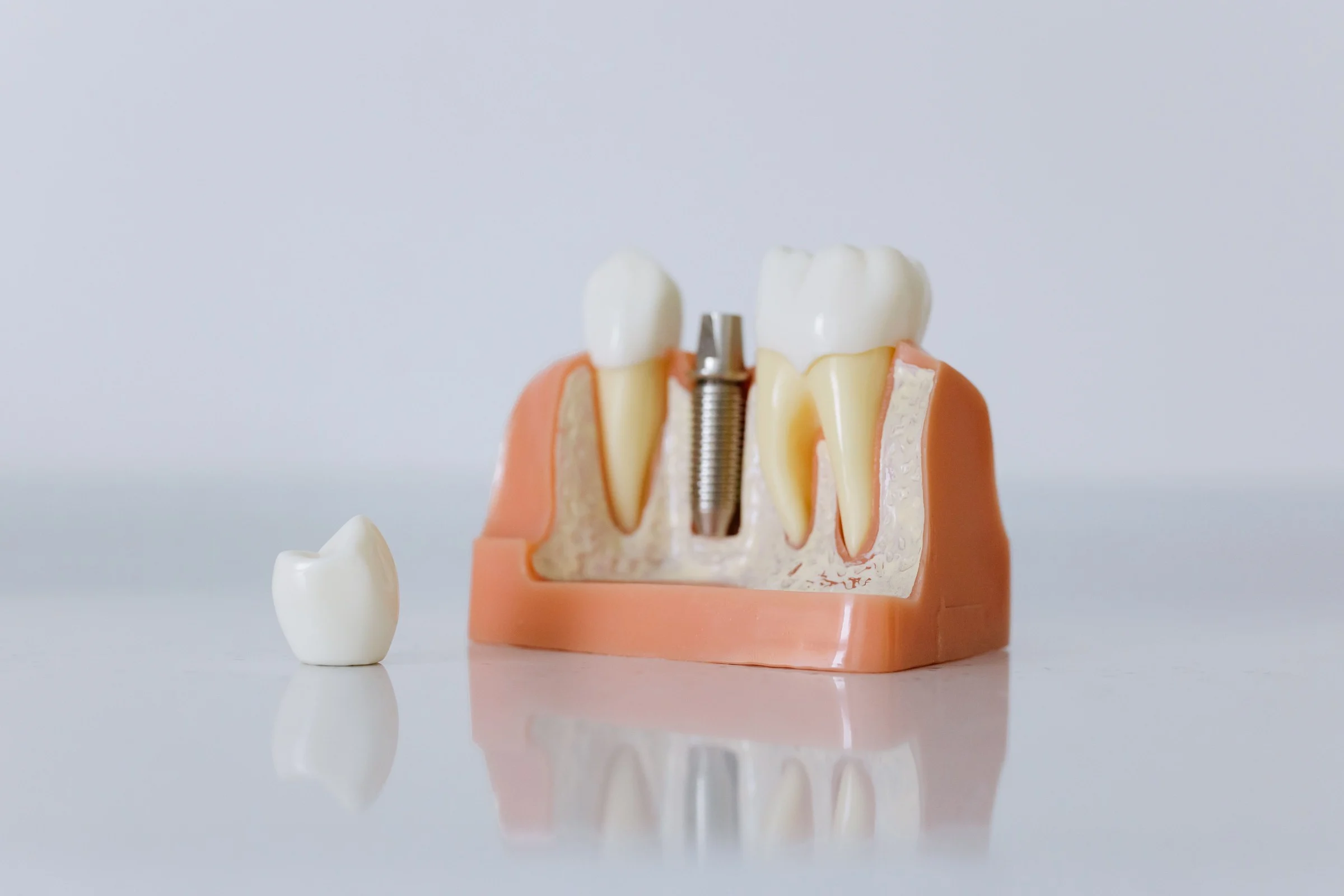
The implant is the titanium screw placed in the jawbone. The part you see is the permanent tooth in zirconium or porcelain that is fixed on top of it. The two do not last equally long.
An implant that has bonded with the bone can stay in place for many years. The permanent tooth on top can wear over time under chewing forces. When that happens the implant is not removed; only the tooth on top is renewed.
Which signs should you act on?
If you notice one of the following signs, do not wait for your next check-up. Write to us on WhatsApp and send a photo, or see a dentist near you.
- Bleeding, redness or swelling of the gum around the implant
- Pain or a bad taste around the implant
- An implant, or the tooth on top of it, that moves
- A gum that recedes so that the metal part of the implant shows
Looking after an implant
- Brush your teeth twice a day.
- Clean around the implant with floss and an interdental brush.
- If you grind your teeth, wear your night guard.
- Have a check-up at least once a year.
The results of any surgical or dental procedure differ from person to person.
Sources and further reading
- Peri-implant diseasesEuropean Federation of Periodontology
- Peri-Implant DiseasesAmerican Academy of Periodontology
- Dental Implants: What You Should KnowU.S. Food and Drug Administration