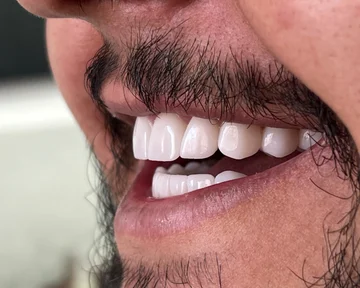
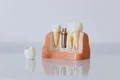
 Dental implants
 All-on-4 and All-on-6
 Zirconium crowns
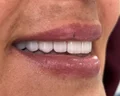 Porcelain veneers
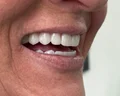 Hollywood smile
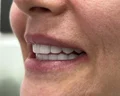 Composite bonding
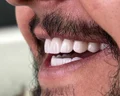 Teeth whitening
The short answer
Whether dental treatment in Turkey is safe depends above all on the clinic, the dentist and the treatment plan. The country matters in one respect: the rules and your rights as a patient are those of the place of treatment, and you cannot count on a dentist at home to correct work done abroad. The risks that belong to treatment abroad are a plan that is never checked at an examination, healthy teeth reduced for crowns when a smaller treatment would do, too little time for healing and corrections, and no one to turn to once you are home. Before you book a flight, check the licence of the clinic, the name and training of the dentist, your written treatment plan, the materials, and who answers you after you return. Every surgical or dental procedure carries risks, in Turkey as at home.
What safety depends on
Implants, crowns and veneers are the same treatments in Turkey as in any other country. What differs from one clinic to the next is who plans the treatment, who carries it out, which materials are used and how much time is given to each step.
A patient who travels has less time on site and is far from the clinic afterwards. This is why the plan, the schedule and the contact after treatment matter more than they do with a dentist near your home.
What can go wrong with treatment abroad
- A plan that is never checked. A plan made from photos is a first assessment. It has to be confirmed at an examination and on an X-ray before any treatment begins.
- Healthy teeth reduced for crowns. A tooth that has been reduced for a crown cannot be restored to what it was. Ask which of your teeth will get crowns and why.
- Too little time. An implant needs months to bond with the bone before it carries a permanent tooth. Crowns and veneers need days in the laboratory and a try-in. A schedule with no room for corrections is a warning sign.
- Materials without a name. You, or a dentist at home, may need to know later which implant system and which ceramic were used.
- No contact after you return. Ask who answers your questions at home and what happens if something has to be corrected.
What to check before you book
- The licence. In Turkey a clinic needs a licence from the Ministry of Health, and an authorisation for international health tourism to treat patients from abroad. Ask for the licence number.
- The dentist. Ask for the name of the dentist who will treat you and where that dentist trained.
- The plan. Ask for a written treatment plan before you book a flight: which teeth, which treatment, how many visits and days.
- The materials. Ask for the brand of the implants and the material of the crowns or veneers.
- The record. Ask for a written record of what was done and which materials were used, to show a dentist at home.
- The contact. Ask who answers you after your treatment and in which language.
- Your own dentist. Tell your dentist at home about your plans before you travel, so that they know what was done if you need care later.
Our answers
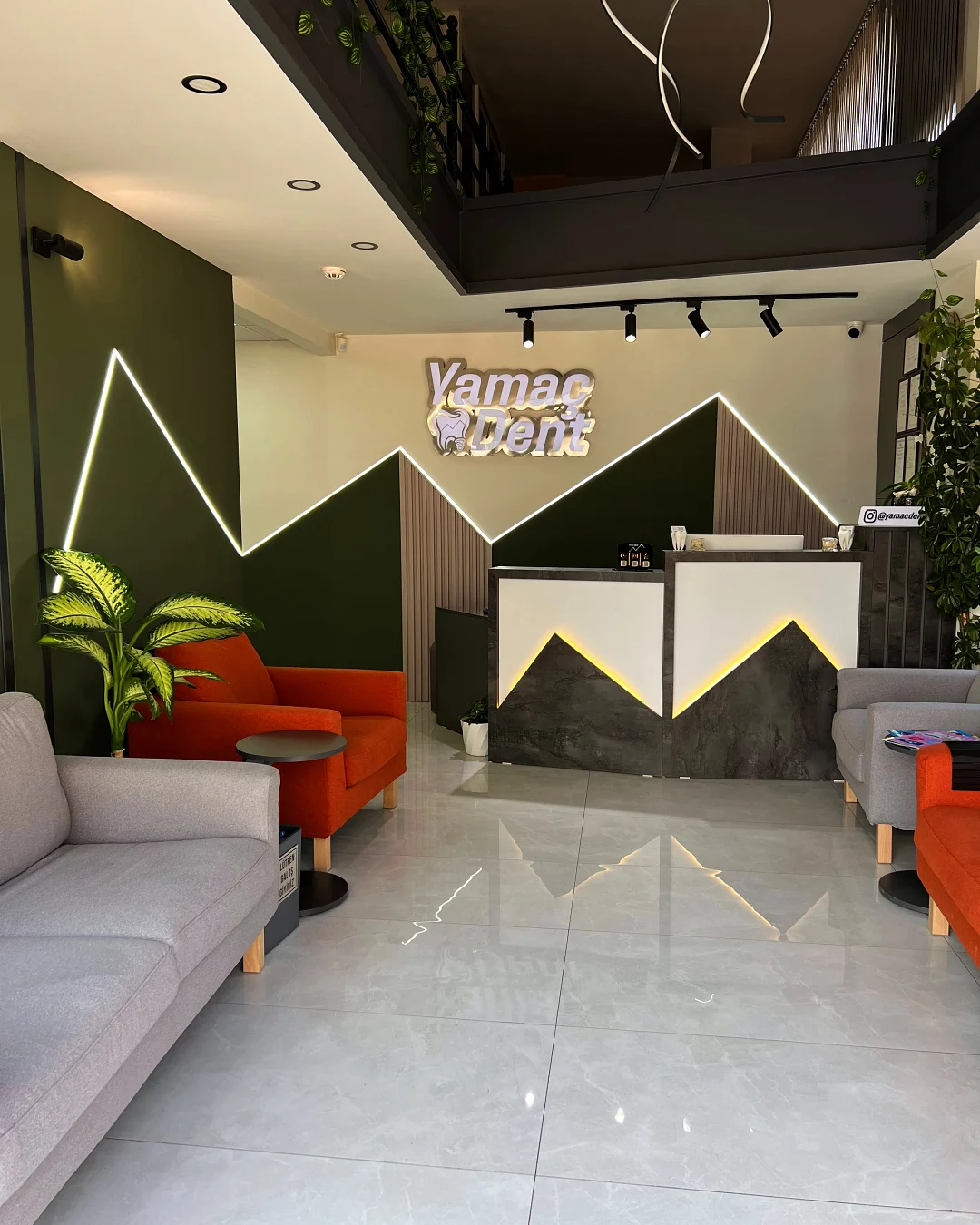
Yamaç Dent is licensed by the Turkish Ministry of Health under licence no. 2024007003110056000057700-404 and is authorised for international health tourism. 4 dentists work at the clinic, 2 of them specialists; where each of them trained is written on the dentists page.
Our dentist prepares your treatment plan from your photos and X-ray and sends it on WhatsApp before you book a flight. The plan is confirmed at the examination in Antalya, and any change is explained to you before treatment begins. For veneers and a Hollywood smile the design is tried on your teeth before any permanent work.
We use Medentika (Straumann Group, Germany), MegaGen and Dentis implant systems. Crowns are made in zirconium or E-max and porcelain laminate veneers in E-max and Amber. A coordinator and a dentist answer your messages after your treatment as well.
When it is better to wait
- You cannot come twice. Implants usually need two visits, 2 to 6 months apart.
- A general illness is not under control. With uncontrolled diabetes, for example, healing is slower and the blood sugar has to be balanced first.
- You are asked to decide on the spot. A treatment that cannot be undone deserves a plan you have read at home.
The results of any surgical or dental procedure differ from person to person. This page gives general information and does not replace an examination.
Sources and further reading
- Going abroad for dental treatmentGeneral Dental Council (United Kingdom)
- Treatment abroad checklistNHS (United Kingdom)
- Turkey travel advice: HealthGOV.UK, Foreign, Commonwealth & Development Office
- Regulation on International Health Tourism and Tourist HealthRepublic of Türkiye Ministry of Health